Choosing the Right Size: Why Smaller Assisted Living Homes Typically Supply Better Care
Business Name: BeeHive Homes of Santa Fe NM
Address: 3838 Thomas Rd, Santa Fe, NM 87507
Phone: (505) 591-7021
BeeHive Homes of Santa Fe NM
BeeHive Homes of Santa Fe NM is a premier Santa Fe Assisted Living facilities and the perfect transition from an independent living facility or environment. Our Alzheimer care in Santa Fe, NM is designed to be smaller to create a more intimate atmosphere and to provide a family feel while our residents experience exceptional quality care. We promote memory care assisted living with caregivers who are here to help. Memory care assisted living is one of the most specialized types of senior living facilities you'll find. Dementia care assisted living in Santa Fe NM offers catered memory care services, attention and medication management, often in a secure dementia assisted living in Santa Fe or nursing home setting.
3838 Thomas Rd, Santa Fe, NM 87507
Business Hours
Families rarely start by asking, "How huge is the building?" when they start looking for assisted living or senior care. They inquire about safety, kindness, activities, costs, perhaps memory care. Yet, after years of strolling households through choices and working inside both large senior communities and small residential homes, I have actually seen one element forecast quality more dependably than nearly anything else: size.
The variety of residents in a home shapes almost every part of elderly care. It impacts how well personnel know everyone, how quickly subtle health modifications are seen, how versatile routines can be, and whether respite care feels like authentic relief or a difficult interruption.
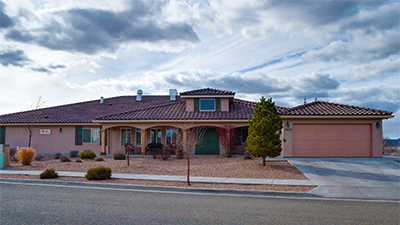
Large facilities can look excellent, with chandeliers, restaurants, and hectic calendars. Smaller assisted living homes typically sit silently in residential neighborhoods, often converted from single family houses, with 6 to 10 residents and a tiny parking lot. From the street, they can seem unremarkable. Inside, the distinction in lived experience is often dramatic.
This short article concentrates on that distinction, and on when a smaller setting may provide much better take care of an older adult you love.
What "small" in fact implies in assisted living
In practice, "small" typically refers to assisted living homes with somewhere between 4 and 16 residents. Licensing classifications vary by state, however you may see terms like:
Residential care home.
Adult household home. Board and care home. Group home. Care home or micro community.These are not marketing labels so much as regulatory ones, however the pattern is similar. Small homes typically:
Operate in a house or a small, home like building.
Have just one or more common areas. Utilize a simple, shared cooking area and dining space. Keep staffing tight, typically with a couple of caregivers present at a time, plus on call support.Larger assisted living neighborhoods might have 50, 100, even 200 citizens throughout multiple wings and floors. They frequently include separate dining-room, specialized memory care units, physical therapy fitness centers, beauty parlor, and a more formalized administrative structure.
Both designs can be licensed as assisted living and can legally offer similar levels of assistance with activities of daily living: bathing, dressing, medication suggestions, mobility help, toileting, and fundamental health tracking. The guidelines do not totally catch how various the day-to-day experience feels in a house with 8 citizens versus a school with 120.
Why size matters more than most households realize
The most sincere way to explain it is this: smaller homes make it more difficult to hide. That works in favor of the resident.
In a community with 80 homeowners, a team member may do their best, but they are managing more faces, more houses, more calls. When staffing is tight, homeowners who are peaceful, introverted, or cognitively impaired are at higher danger of flying under the radar. A small shift in mood, a slower gait, a small decline in appetite can be simple to miss out on when a caretaker's job list is large.
In a small assisted living home, there are less locations to disappear to. Meals happen at one table or in one room. Staff and homeowners see each other repeatedly throughout the day, not just at set up care times. When regimens are that intimate, modifications stand out.
This has practical effects:
An early urinary tract infection is caught because someone notices that Mrs. Lopez is requesting for the restroom regularly and seems "foggy" compared to yesterday.
A subtle medication side effect is flagged due to the fact that Mr. Kumar, who typically finishes breakfast, has actually left half his plate untouched 3 days in a row. A peaceful resident who seldom complains is seen wincing when moving out of a chair, and the team member has enough time and relationship to ask follow up questions.Health care specialists call this connection and familiarity. Households often explain it more just: "They really know Mom here."
How smaller homes change personnel relationships
Caregiver ratios are essential, however they do not tell the full story. A big assisted living facility might advertise 1 employee for every single 10 homeowners. A small home might state 1 to 5 or 1 to 8. On paper, these look similar as soon as you factor in day versus night, peak versus low activity times.
The distinction lies less in the numbers and more in the pattern of contact.
In a large structure, staff projects change frequently. One week, a resident might have a specific assistant assisting with bath and dressing. The next week, someone else covers that hallway due to staffing changes. Managers do their finest to keep connection, but with dozens of employees and multiple shifts, variation is inevitable.
In a small assisted living home, there are just fewer people on the schedule. The very same caregiver may aid with breakfast, medication tips, showers, and night routines for the same handful of locals, day after day. In time, this consistency enables personnel to:
Learn each person's standard practices and quirks.
Pick up on minor discrepancies that may indicate trouble. Develop enough trust that residents share issues more freely. Notice relational concerns, such as two homeowners who argue repeatedly or a brand-new resident who feels left out.One caregiver as soon as informed me, about a six resident home where she worked, "There is no faking it here. If you remain in a bad mood, they all feel it. And if one of them is off, we feel that too." That shared presence can be emotionally requiring, however it keeps the caregiving relationship authentic.

Daily life: regular, flexibility, and control
Many households imagine assisted living as a place with jam-packed activities calendars and social choices at every hour. Big communities work hard to provide that: motion picture nights, bingo, lectures, workout classes, getaways, spiritual services, live music. For some seniors, specifically those who are outbound and mobile, this variety is energizing.
Small homes hardly ever have that scale of programming. Rather, they offer a quieter rhythm. The living room may host an easy workout session with lightweight. A volunteer visits to play guitar on Thursdays. A team member sets up a puzzle at the table. A trip may be a journey in a van to the park, not a huge arranged excursion.
What small homes can typically use, however, is greater versatility and personal control for locals who do not fit into a rigorous group schedule.
If a resident is used to waking at 9:30 and chooses coffee before discussion, a caregiver in a small home is most likely to accommodate that choice. They are not rushing to get 25 individuals dressed and into the dining-room before a repaired breakfast window closes. If somebody is having a tough early morning with arthritis discomfort, there is more space to change timing.
Meals are another example. In many big assisted living communities, menus are prepared weeks in advance. Homeowners pick from a number of alternatives, which can be rather great, however the kitchen runs on a tight system: breakfast is served from 7:30 to 9:00, lunch from 11:30 to 1:30, and so on.
In a small home, the food often looks more like family style cooking. There may not be five entree choices, however the cook can respond on the fly. If 2 citizens long for oatmeal instead of eggs, it is simpler to say yes. If somebody has a favorite soup that reminds them of home, the staff may have the ability to incorporate it more easily into the rotation.
For elders with cognitive decline, consisting of early to mid stage dementia, this versatile, home like environment frequently feels less frustrating. There are less corridors, less spaces to confuse, less faces to track. The exact same sofa, the exact same dog sleeping in the corner, the very same caretaker singing while she sets the table. Predictability can be profoundly calming.
Respite care: when a brief stay needs to feel like a safe harbor
Respite care, in plain language, is brief term assisted living or elderly care that gives household caregivers a break. It might be a week while a child takes a trip for work, a month while a partner recuperates from surgical treatment, or a few days to prevent burnout after a hard season.
In large senior care neighborhoods, respite residents sometimes seem like guests in a hotel: admitted, oriented, then mixed into an existing system. Staff might be kind, however they are handling a capacity. It can take a while for a momentary resident's preferences and history to be known beyond the basics in the chart.
Smaller assisted living homes deal with respite care differently almost by design. When there are 8 residents instead of eighty, a new arrival sticks out. The staff will naturally spend more time in direct contact, aiding with unpacking, signing up with meals, and folding the person into daily regimens. Routine residents also see and, in numerous homes, welcome the new person with a kind of informal hospitality that is difficult to script.
I have actually seen respite stays in small homes become turning points. One boy used a two week respite for his mother in a six bed home while he looked after immediate service out of state. He returned expecting regret and tears. Rather, his mother greeted him with, "You look worn out. respite care Did you eat?" and a list of brand-new good friends she had actually made. She chose to move in several months later, not out of pressure, however due to the fact that the respite stay revealed her that assisted living might feel like extended family rather than institutionalization.
That said, respite care in small homes does have limitations. Capability is tight, and a single respite bed can be difficult to protect. Planning ahead matters more, specifically around vacations and summertime when household caretakers are more likely to travel.
Key differences in between small and big assisted living homes
The following contrast is streamlined, but it captures patterns many families notice when they tour both options.
- Atmosphere: Large communities tend to seem like hotels or campuses, with lobbies and numerous wings. Small homes feel closer to a shared family, in some cases quieter and less polished, however typically more familiar.
- Social life: Big settings can provide more structured activities and a bigger swimming pool of possible good friends. Small homes rely more on organic conversation, staff engagement, and small group interactions.
- Staff relationship: In large centers, homeowners may communicate with many staff members, which can be stimulating but likewise impersonal. In small homes, relationships are less and better, with more continuity.
- Flexibility: Larger operations rely on schedules and systems to function, which can limit versatility. Smaller homes frequently adapt more around individual regimens, though they may use less official options overall.
Neither is generally "better," however for numerous senior citizens who are frail, shy, easily overwhelmed, or dealing with memory, the trade offs typically prefer the smaller environment.
Clinical results: what we really see over time
There is restricted large scale research study that directly compares outcomes between small and big assisted living models, partially since licensing categories differ by state and data can be unpleasant. Still, patterns emerge in practice.
Families and doctor frequently report:
Slower functional decline in small homes, especially for residents with moderate impairment who get hands on cueing and support throughout the day rather than just at set up times.
Less preventable hospitalizations due to dehydration, missed medications, or late acknowledgment of infections. These issues are not special to large communities, but they are less most likely to progress undetected in a smaller, more tightly observed setting. Much better behavioral stability for citizens with dementia, likely connected to lower ecological stimulation, constant staffing, and simpler routines.At the exact same time, larger senior care neighborhoods sometimes offer much better access to on website services such as visiting doctors, lab draws, physical therapy, or specialized centers. They may also have more robust emergency response systems, official fall prevention programs, and security infrastructure.
A frail older adult with several complex medical conditions might take advantage of a larger setting if that setting is attached to a continuum of care: knowledgeable nursing, rehab, palliative care. A fairly stable elder who mainly requires assist with everyday tasks and companionship may flourish more in a small assisted living home where life feels less medicalized.
The trade offs: smaller is not constantly easier
It is appealing to romanticize small homes as universally warm and mindful. The truth is more nuanced.
Staff burnout can be a risk. With just a couple of caretakers, personality disputes or staff turnover hit harder. If a precious caretaker leaves, all citizens feel that loss. Management quality matters as much as size.
Regulation and oversight are also irregular. Some states closely keep an eye on residential care homes with routine evaluations and transparent reporting. Others are looser. A smaller home that is poorly run can hide major shortages behind a friendly facade.
Families should likewise acknowledge limits of scope. Numerous small homes are not designed to manage:
Complex medical gadgets such as ventilators or substantial IV therapies.
Frequent two person transfers needing heavy equipment. Serious behavioral issues such as continuous aggressiveness, roaming that persists in spite of interventions, or extreme exit seeking.The finest small assisted living homes are honest about what they can and can not safely manage. They partner with home health, hospice, or outside clinicians when required, and they communicate early when a resident's requirements might outgrow their model.
How to evaluate a small assisted living home
Touring a small home feels different from going to a huge facility. There is often no pamphlet rack, no marketing director, no grand lobby. Often a caretaker unlocks while stirring a pot on the range. This informality can be rejuvenating, but it also implies you must be more deliberate about what you observe and ask.
Here is a brief, useful list to bring with you:
- Ask about staffing: How many caregivers are on responsibility during days, evenings, and nights? Who covers when someone calls in sick?
- Clarify medical assistance: Who handles medications, and how are they saved and tracked? Which checking out doctor come regularly?
- Explore regimens: How fixed are wake times, meals, and activities? How do they adjust to a resident who prefers a different rhythm?
- Discuss end of life: Can the home assistance residents through severe decrease with hospice participation, or do they usually move people out?
- Request references: Can they connect you with one or two existing or former relative ready to share their experience?
During the visit, trust your senses. Odor matters. Noise levels matter. View how personnel speak to locals when they believe no one is really listening. Are they utilizing nicknames or titles the resident clearly chooses? Do they crouch to eye level or talk from across the room? Tone and body movement frequently speak more loudly than policies.
I also recommend showing up a few minutes early or remaining a few minutes past the formal tour. That unscripted time reveals more of the real rhythm of the place.
Cost, transparency, and what you really get for your money
Families frequently presume that small assisted living homes are cheaper due to the fact that they look easier, without grand architecture or big dining-room. That is not always the case.
Costs vary widely by region, however numerous patterns tend to appear:
Base rates in small homes can be comparable to, or somewhat lower than, mid variety big communities in the same area.
Care level costs are often more simple, sometimes bundled as "all inclusive" in very small homes so that increases in assistance do not create endless small surcharges. Extra services such as on site beauty parlor, transport to distant consultations, or complex therapies may not be offered, so households must spending plan separately if those are needed.The secret is to ask comprehensive questions about what is consisted of. 2 homes charging the exact same monthly cost may provide extremely different things. For example, one may include incontinence materials, medication management, and escort to meals. Another might charge extra for each of those pieces.
Transparent small homes are normally rather direct when you ask, "If my mother's needs increase gradually, what type of cost modifications should we anticipate?" Be careful unclear responses that lean too greatly on "We will work with you" without clear parameters.
When a larger assisted living community might be the better fit
Despite the lots of benefits of smaller homes, there are circumstances where a larger senior care neighborhood is more appropriate.
An elder who is extremely social, loves occasions, and delights in range might feel stifled in an extremely small environment. They may desire an option of 3 workout classes, a book club, a choir, and a woodworking group. A big neighborhood is better geared up to offer that menu.
Some families also want a continuum of care on one school: independent living, assisted living, memory care, nursing home. They value the ability to move a loved one in between levels of care without altering familiar surroundings completely. Small homes typically can not provide that range.
Transportation can matter too. Bigger neighborhoods typically run arranged shuttle bus to shopping mall, spiritual services, and cultural occasions. Small homes may provide fundamental transportation to medical consultations, but not much beyond that.
Finally, if a person has really intricate medical needs that stop short of needing an experienced nursing center, a larger assisted living community with on site clinical assistance might be safer. Examples consist of frequent requirement for on site lab monitoring, complex injury care, or tight coordination with multiple specialists.
The point is not to treat small as instantly remarkable, but to match the environment to the person.
Bringing it back to the individual
Assisted living, respite care, and long term elderly care choices are never ever just about square video footage or staffing grids. They are about a human life in a specific season, with a particular history, personality, and set of vulnerabilities.
When you stand at the crossroads in between a big, polished senior care campus and a modest, eight bed home on a peaceful street, try to visualize your loved one not simply relocating, but living there on a common Tuesday in February.
Where will they likely feel seen, not simply served?
Where will small changes be discovered and acted upon before they turn into crises? Where will their quirks be understood as part of who they are, not treated as problems to manage?For numerous older grownups, particularly those who are physically delicate, quickly overstimulated, or living with amnesia, the response is frequently the smaller assisted living home, where scale works in favor of intimacy, and where life still seems like life, not a schedule.
That option will not fix every problem. Caregiving is hard work, in any setting. However when size aligns with requirement, it becomes a lot more likely that your loved one's ins 2015 will be shaped by familiarity, responsiveness, and real connection, instead of by the logistics of a large system trying, often unsuccessfully, to keep up.
BeeHive Homes of Santa Fe NM provides assisted living care
BeeHive Homes of Santa Fe NM provides memory care services
BeeHive Homes of Santa Fe NM provides respite care services
BeeHive Homes of Santa Fe NM supports assistance with bathing and grooming
BeeHive Homes of Santa Fe NM offers private bedrooms with private bathrooms
BeeHive Homes of Santa Fe NM provides medication monitoring and documentation
BeeHive Homes of Santa Fe NM serves dietitian-approved meals
BeeHive Homes of Santa Fe NM provides housekeeping services
BeeHive Homes of Santa Fe NM provides laundry services
BeeHive Homes of Santa Fe NM offers community dining and social engagement activities
BeeHive Homes of Santa Fe NM features life enrichment activities
BeeHive Homes of Santa Fe NM supports personal care assistance during meals and daily routines
BeeHive Homes of Santa Fe NM promotes frequent physical and mental exercise opportunities
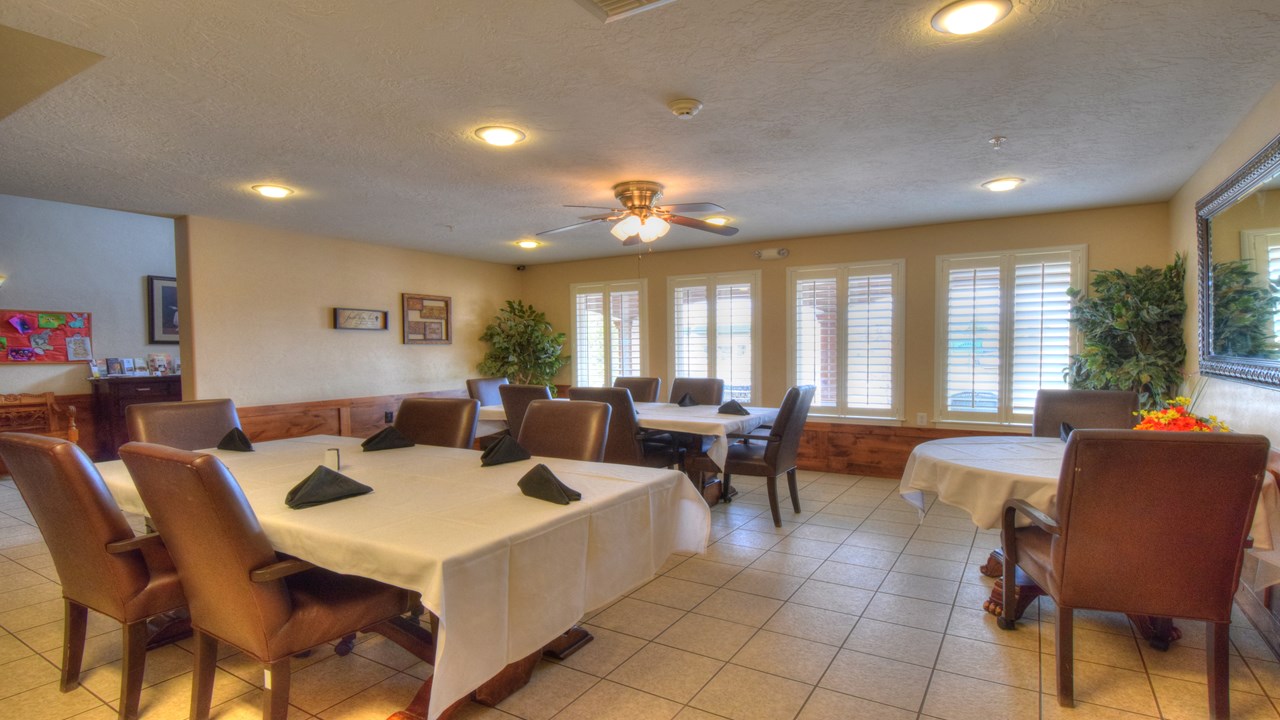
BeeHive Homes of Santa Fe NM provides a home-like residential environment
BeeHive Homes of Santa Fe NM creates customized care plans as residents’ needs change
BeeHive Homes of Santa Fe NM assesses individual resident care needs
BeeHive Homes of Santa Fe NM accepts private pay and long-term care insurance
BeeHive Homes of Santa Fe NM assists qualified veterans with Aid and Attendance benefits
BeeHive Homes of Santa Fe NM encourages meaningful resident-to-staff relationships
BeeHive Homes of Santa Fe NM delivers compassionate, attentive senior care focused on dignity and comfort
BeeHive Homes of Santa Fe NM has a phone number of (505) 591-7021
BeeHive Homes of Santa Fe NM has an address of 3838 Thomas Rd, Santa Fe, NM 87507
BeeHive Homes of Santa Fe NM has a website https://beehivehomes.com/locations/santa-fe/
BeeHive Homes of Santa Fe NM has Google Maps listing https://maps.app.goo.gl/fzApm6ojmRryQMu76
BeeHive Homes of Santa Fe NM has Facebook page https://www.facebook.com/BeeHiveSantaFe
BeeHive Homes of Santa Fe NM has a YouTube channel at https://www.youtube.com/@WelcomeHomeBeeHiveHomes
BeeHive Homes of Santa Fe NM won Top Assisted Living Homes 2025
BeeHive Homes of Santa Fe NM earned Best Customer Service Award 2024
BeeHive Homes of Santa Fe NM placed 1st for Senior Living Communities 2025
People Also Ask about BeeHive Homes of Santa Fe NM
What is BeeHive Homes of Santa Fe NM Living monthly room rate?
The rate depends on the level of care that is needed. We do a pre-admission evaluation for each resident to determine the level of care needed. The monthly rate is based on this evaluation. There are no hidden costs or fees
Can residents stay in BeeHive Homes of Santa Fe NM until the end of their life?
Usually yes. There are exceptions, such as when there are safety issues with the resident, or they need 24 hour skilled nursing services
Does BeeHive Homes of Santa Fe NM have a nurse on staff?
No, but each BeeHive Home has a consulting Nurse available 24 – 7. if nursing services are needed, a doctor can order home health to come into the home
What are BeeHive Homes of Santa Fe NM visiting hours?
Visiting hours are adjusted to accommodate the families and the resident’s needs… just not too early or too late
Do we have couple’s rooms available?
Yes, each home has rooms designed to accommodate couples. Please ask about the availability of these rooms
Where is BeeHive Homes of Santa Fe NM located?
BeeHive Homes of Santa Fe NM is conveniently located at 3838 Thomas Rd, Santa Fe, NM 87507. You can easily find directions on Google Maps or call at (505) 591-7021 Monday through Sunday 9:00am to 5:00pm
How can I contact BeeHive Homes of Santa Fe NM?
You can contact BeeHive Homes of Santa Fe NM by phone at: (505) 591-7021, visit their website at https://beehivehomes.com/locations/santa-fe, or connect on social media via Facebook or YouTube
Conveniently located near Beehive Homes of Santa Fe the Regal Santa Fe Place a great movie theater with full food & drink menu. Catch a movie and enjoy some great food while you wait.